
Review: Young Mungo – Douglas Stewart
By Hermione Reid
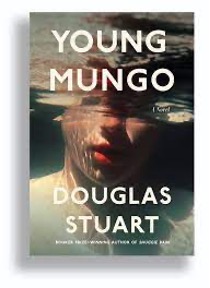
Young Mungo is the heartbreaking second novel by American-Scottish author Douglas Stuart, released in April 2022. It follows Stuart’s debut novel Shuggie Bain, which won the 2020 Booker Prize.
“The air was thick with volleys of religious hate, but the boys were enjoying themselves, having the time of their young lives.”
It is a tender and gut-wrenching coming-of-age story about a fifteen-year-old working-class boy living in the East End of Glasgow in the 1990s. Mungo is a young boy attempting to create a sense of happiness in his life despite coming from a background of poverty and sectarian violence. His home environment is not a happy one. He lives with an alcoholic mother who becomes a “tattie-boggle”. When she has taken it too far, he and his sister live in a state of alert for what she may say to them. But Mungo, naive and trusting in nature, unable to think badly of his mother, continues loving her. His sister, Jodie, is his centre of gravity and takes on a caring role, keeping them both alive, although just a teenager herself. Her character is a testament to the strength of working-class women in the face of adversity.
This novel is beautifully written, yet a harrowingly realistic tale of what it means to be a young gay man trying to fall in love in a society that cannot stand seeing you and your partner together. Mungo gains a sense of calm when discovering what it is like to truly be loved when he meets James, a sixteen-year-old with a love for pigeons. Mungo can find comfort in his company and be at peace at the thought of having a person who is truly his. He describes their being together “like hot buttered toast when you were starving.” Their moments feel like “nothing that felt like everything”. Their pure and wholesome relationship is the glue holding this book together.
There are frank discussions of masculinity and what it means to be a working-class man running through the story. The men in the novel struggle against the pull of traditional masculinity and fall into the familiarity of violence as those before them. In a similar setting to that of our own home in Belfast, many men engage in a ‘tradition’ of violence since this is seemingly what constitutes ‘being a man’. Mungo’s older brother, Hamish, is the epitome of this form of masculinity, being the leader of his gang. His attempts to persuade Mungo to join his ranks are ultimately unsuccessful: Mungo refuses to engage in violence for the sake of violence. Hamish’s masculinity, although ultimately inescapable, is complicated by fleeting moments of vulnerability, becoming overwhelmed by his feelings for Mungo.
Throughout the novel, Mungo faces a torrent of abuse, yet he remains unbelievably stoic. The juxtaposition of the abject and extreme violence to the tenderness of Mungo and James’ relationships highlights how important those little pockets of happiness in an otherwise troubled life are.
Douglas Stuart is a wonderful writer, accounting for the raw truth of working-class life. He deserves to be celebrated as a credit to Scottish literature.
Please be aware that this novel touches on several difficult themes including abuse and sexual assault so take this into account before reading!
Rating: 4/ 5 stars
Edited by Ben Coxon


Leave a Reply